
Build secure, custom legal case management systems for handling medical records, client data, and workflows — without writing code.
• Stay HIPAA compliant with medical data
• Replace spreadsheets centralized case management
• Build exactly what your firm needs — no developers
• Launch in days, not months



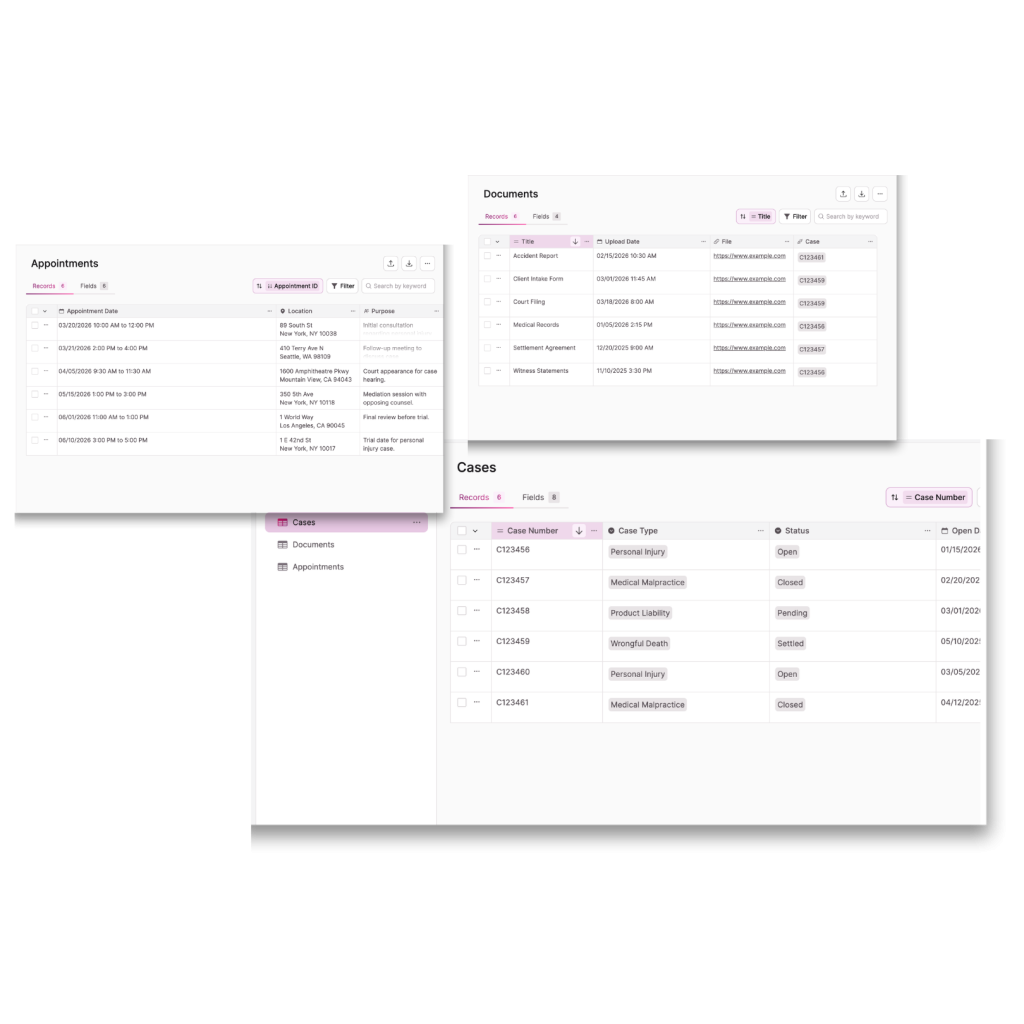
Knack Health delivers compliance and control, without compromise.
If you handle personal injury or medical-related cases, you’re likely dealing with:

Storing protected health information in spreadsheets or outdated systems

Constant back-and-forth between systems, emails, and documents

Managing disjointed workflows across intake, treatment tracking, and case files

Risking compliance violations with multiple tools not built for HIPAA compliance
Knack lets you create fully customized, HIPAA-compliant case management software designed specifically for personal injury workflows.
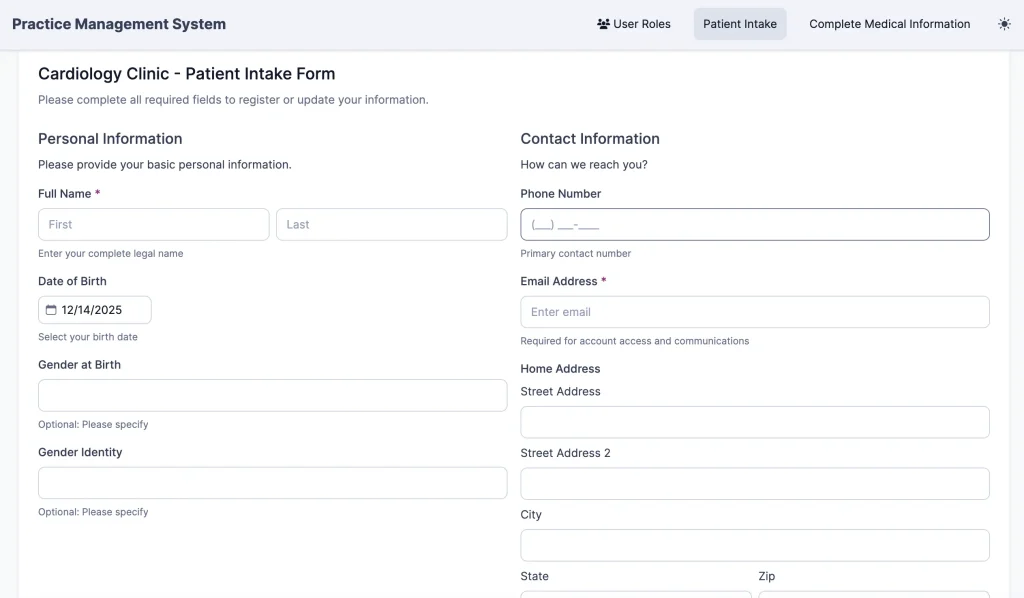
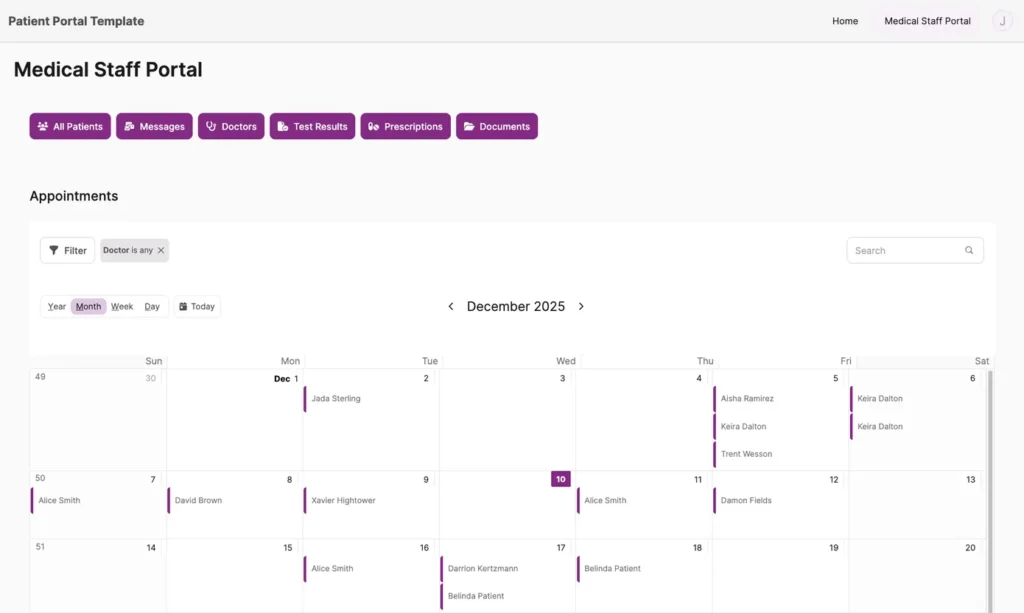
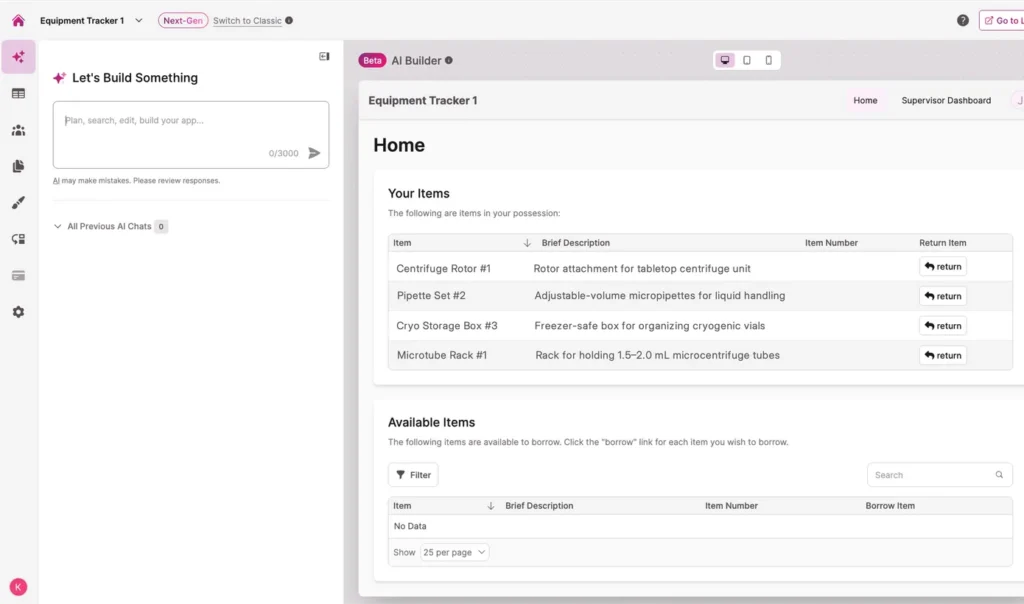
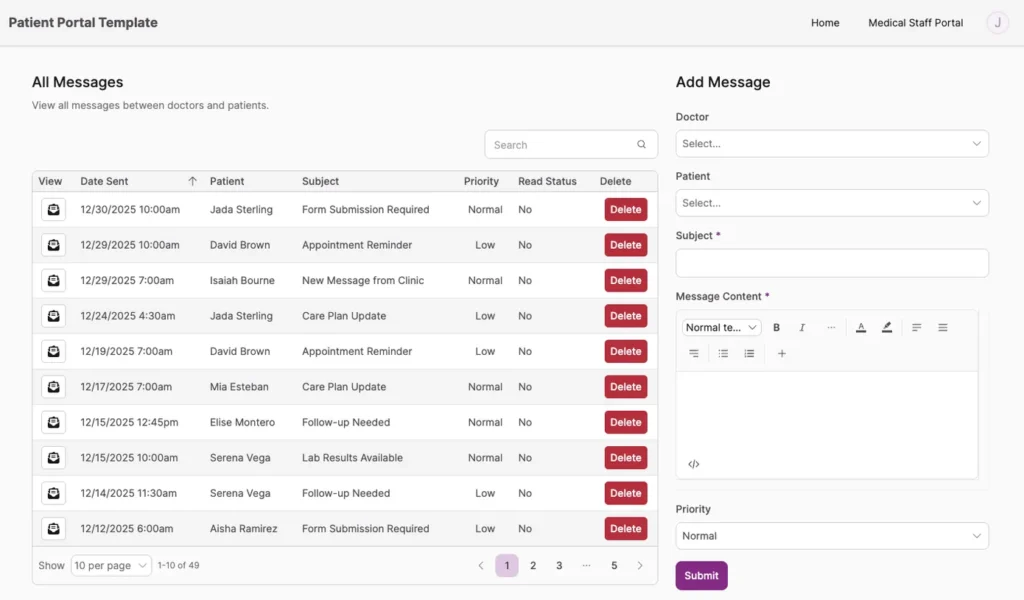
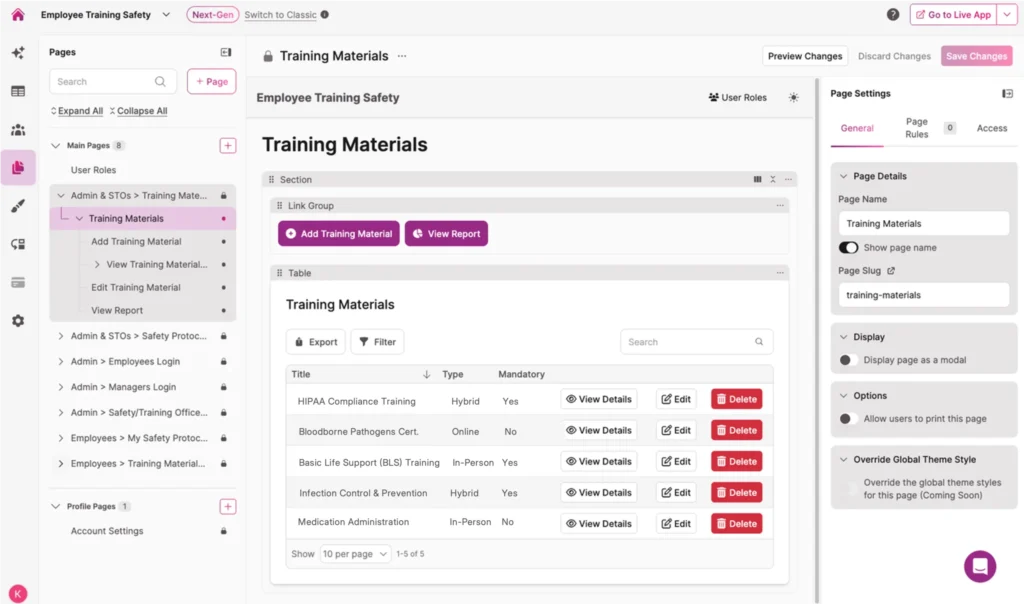
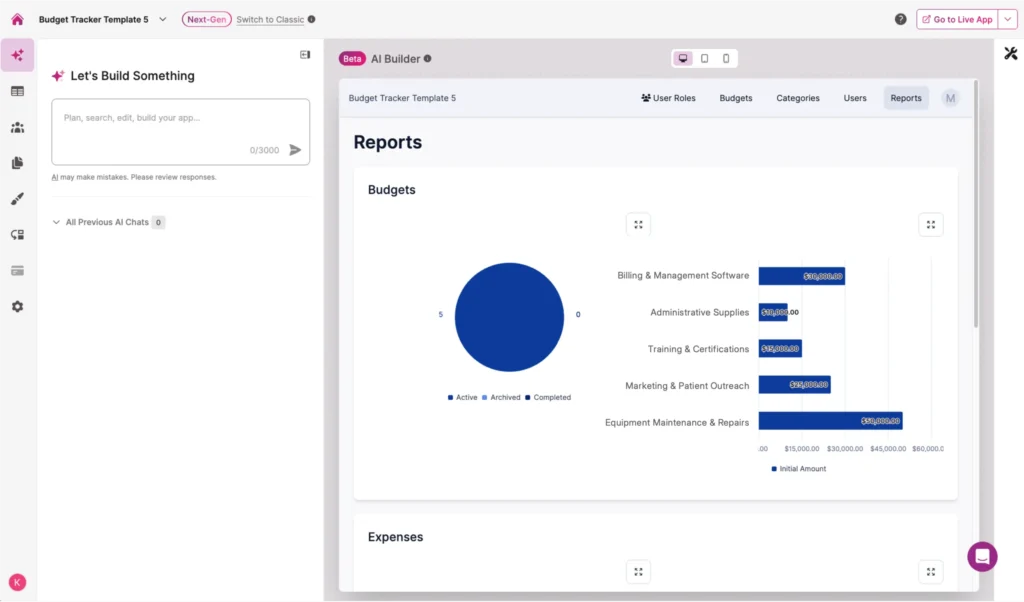
Knack Health runs on secure infrastructure with encryption at rest and in transit, access controls, and full audit logging.
HIPAA accounts include a BAA and detailed compliance documentation, so your legal and IT teams have what they need from day one.
Dedicated environments and SOC 2–aligned security are available for enterprise healthcare organizations.

Choose from 500+ native connections and integrate with specialized healthcare software you already use.






Watch how teams build secure, fully customized applications without writing code:
Knack Health helps healthcare organizations design and launch compliant, data-driven systems—faster and safer than traditional software development.
Knack Health is a healthcare-focused offering of the Knack platform that helps teams build secure, compliant applications without writing code. It’s designed for healthcare organizations that need flexible workflows, internal tools, and patient-facing systems while handling protected health information (PHI).
Knack Health provides a HIPAA-ready platform for organizations that need to build applications involving PHI. HIPAA-compliant plans include encrypted data handling, audit logging, role-based permissions, and a signed Business Associate Agreement (BAA) for covered entities.
HIPAA compliance depends on how your application is configured and used. Our team works with customers to ensure the platform is set up appropriately.
Knack Health is built for small and mid-sized organizations that need HIPAA-compliance, including clinics, law firms, behavioral and mental health practices, dental offices, specialty clinics, and healthcare nonprofits.
It’s a good fit for teams that need custom workflows or internal tools and want more flexibility than traditional EHR systems provide.
A HIPAA-compliant case management system is software designed to securely store, manage, and track sensitive client or patient information while meeting HIPAA privacy and security requirements. This includes encryption, access controls, audit logs, and signed Business Associate Agreements (BAAs) to ensure protected health information (PHI) is handled properly.
Law firms need HIPAA-compliant case management software if they handle protected health information (PHI), which is common in personal injury, medical malpractice, and workers’ compensation cases. Any time a firm collects, stores, or shares medical records, treatment details, or insurance information, HIPAA regulations may apply. Using a HIPAA-compliant case management system helps ensure sensitive client data is protected through encryption, access controls, and audit logs—reducing the risk of violations, fines, and data breaches while maintaining client trust.
HIPAA applies to personal injury case management whenever a law firm handles medical records, billing information, or other health-related data tied to a client’s case. This includes intake forms, treatment documentation, insurance communications, and expert reports. A HIPAA-compliant case management system ensures this data is securely stored, accessed only by authorized users, and properly tracked. Without these safeguards, firms risk unauthorized disclosures and compliance violations, especially when sharing information with providers, insurers, or third-party experts.
In case management, protected health information (PHI) includes any data that links an individual to their medical condition or treatment. This can include medical records, diagnoses, treatment history, prescription details, insurance information, and even appointment notes. In legal case management, PHI often appears in client intake forms, uploaded documents, communications, and case notes. A HIPAA-compliant case management system is designed to secure this data with encryption, user permissions, and audit trails to ensure it is only accessed and shared appropriately.
Knack Health includes:
Security features vary by plan and configuration.
HIPAA-compliant case management software should include essential security and workflow features to protect sensitive data. Key capabilities include data encryption (in transit and at rest), role-based access controls, audit logs, secure document storage, and automated backups. It should also support Business Associate Agreements (BAAs) and allow for customizable workflows like client intake, case tracking, and reporting. The best platforms combine these compliance features with flexibility, enabling law firms to build secure, tailored case management systems without relying on rigid, off-the-shelf tools.
Yes, modern HIPAA-compliant case management platforms allow you to build custom workflows for case tracking without writing code. Law firms can create tailored processes for client intake, document collection, medical record tracking, and case progress updates. With a no-code builder, you can automate tasks, assign roles, and control access to sensitive data while maintaining HIPAA compliance. This flexibility ensures your case management system matches your firm’s exact processes instead of forcing you to adapt to generic software.
A case management system is considered HIPAA compliant when it includes the administrative, physical, and technical safeguards required to protect protected health information (PHI). This typically includes encryption, secure user authentication, role-based permissions, audit logs, and data access controls. Additionally, the software provider must offer a Business Associate Agreement (BAA) and follow strict security protocols for data storage and handling. HIPAA-compliant case management software ensures that sensitive legal and medical data is protected throughout its entire lifecycle.
Yes, you can replace your existing legal case management system with a HIPAA-compliant alternative that better fits your workflows. Many modern platforms allow you to migrate data from spreadsheets or legacy systems and rebuild your processes in a more flexible, secure environment. This is especially valuable for law firms handling sensitive health data that require stronger compliance controls. By switching to a customizable, HIPAA-compliant case management system, firms can improve efficiency, reduce risk, and eliminate the limitations of outdated software.
No, you don’t need developers to build a HIPAA-compliant case management app. No-code platforms allow law firms to create fully customized case management systems using visual builders, drag-and-drop tools, and pre-built components. This makes it possible to design workflows, manage client data, and enforce HIPAA compliance without technical expertise. For firms that need flexibility and speed, no-code case management software provides a cost-effective way to launch and scale secure applications without relying on engineering resources.