
How HIPAA Compliance Works when Building Healthcare Applications

HIPAA compliance is not something a platform can guarantee on its own. It depends on how software is built, configured, and used.

Knack Health provides a platform designed to support HIPAA-covered use cases. This page explains what that means in practice, including what the platform provides and what your organization is responsible for.

What HIPAA Requires from Software

Healthcare applications that handle protected health information must support secure data handling, controlled access, and visibility into how data is used.

At a high level, this includes:
  • Protecting data in transit and at rest
  • Restricting access based on user roles
  • Tracking changes to records and system activity
  • Maintaining secure infrastructure
  • Establishing appropriate agreements between service providers and covered entities
These requirements form the foundation of how software supports HIPAA-covered workflows.
Doctor Consulting with Patient

What Knack Health Provides

Encrypted data handling

Data is encrypted in transit using TLS 1.2+ and encrypted at rest using AES-256.

Record change logs

Track changes to records and key system activity for visibility and oversight.

Role-based permissions

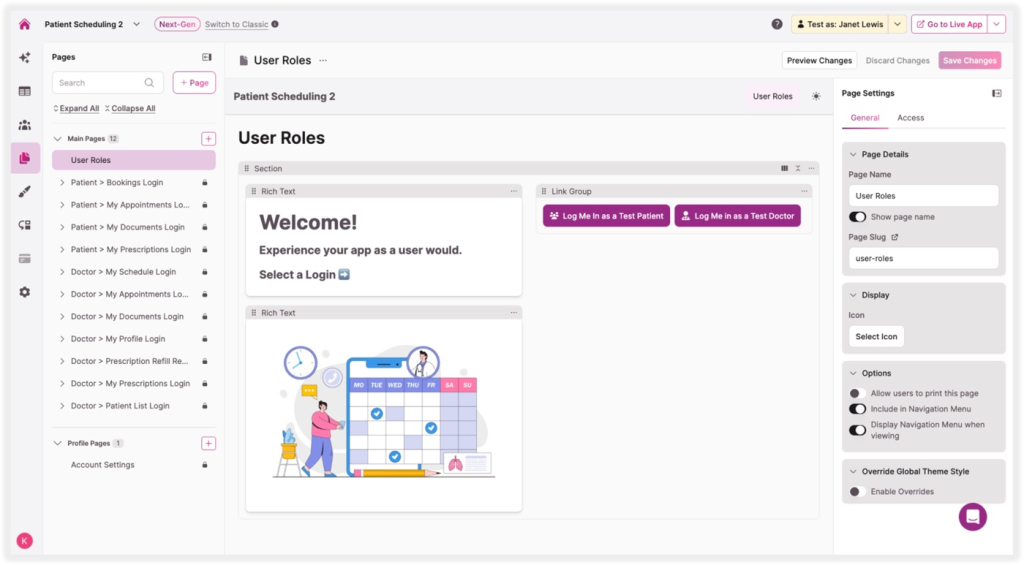
Control what each user can view or edit across apps, forms, pages, and records.

Business Associate Agreement (BAA)

 Available for covered entities on HIPAA-compliant plans.

Account protections

Use two-factor authentication, optional single sign-on, and IP allowlisting to enforce access policies.

Session protections

Automatic inactivity timeouts help reduce exposure from unattended sessions.

Infrastructure and monitoring

Continuous monitoring, encrypted backups, and high availability support secure operations.

Knack Health provides a foundation

for building applications that support HIPAA requirements.

What Your Organization Is Responsible for

HIPAA compliance depends on more than the platform you choose.
Your organization is responsible for how applications are designed and used, including:
  • What data is collected and stored
  • How access is granted and managed
  • How workflows are structured
  • How staff are trained and monitored
  • How policies and procedures are defined and followed
Knack Health provides the tools and infrastructure to support these requirements, but your organization is responsible for implementation.

How Teams Use Knack Health in HIPAA-covered Workflows

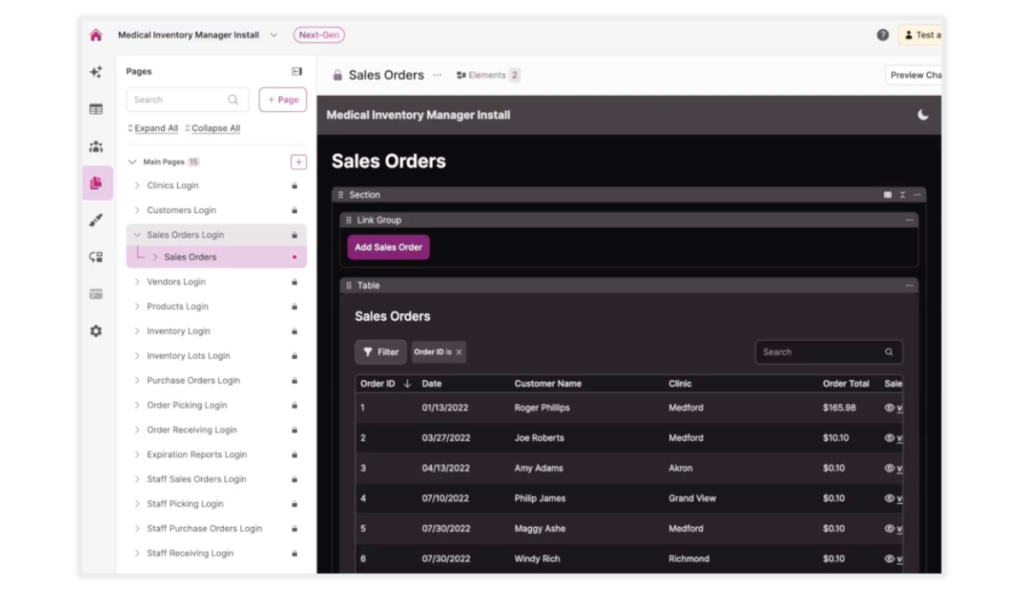
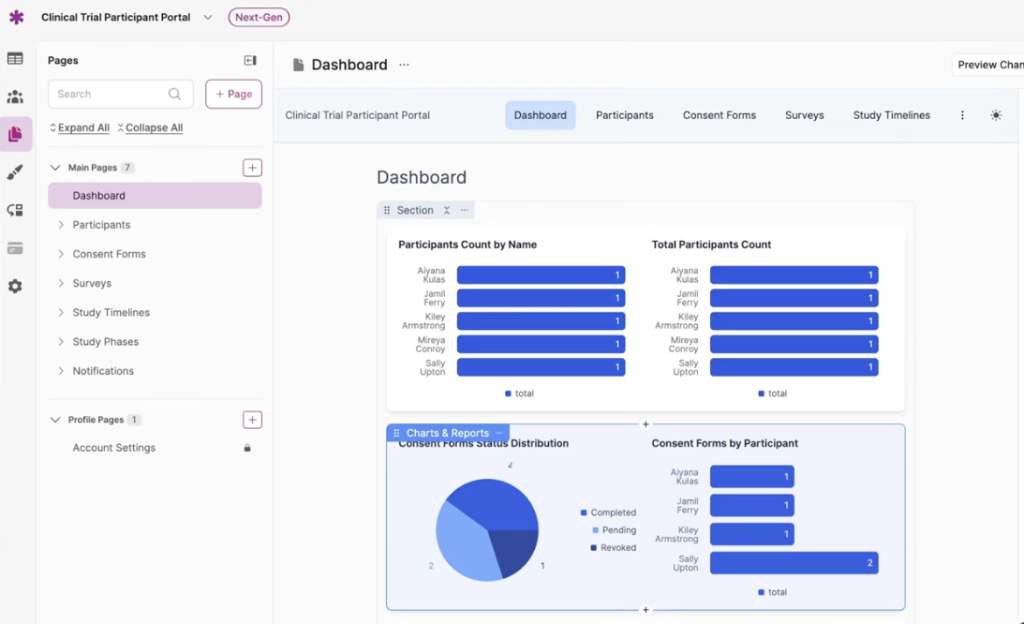
Healthcare teams use Knack Health as a flexible operational layer alongside their existing systems.

When Knack Health Is a Good Fit

  • You need custom workflows your existing systems do not support
  • You want to build secure applications without a long development cycle
  • Your team needs flexibility to update processes over time
  • You want internal tools and patient-facing systems in one platform

Talk Through Your HIPAA Use Case

If you’re evaluating platforms for HIPAA-covered workflows, we can walk through your requirements and show how Knack Health fits.

FAQ

Does using a HIPAA-ready platform make my organization compliant?
No. A platform can support compliance, but your organization is responsible for how applications are configured, how data is handled, and how policies are enforced.
Yes. A Business Associate Agreement is available for covered entities on HIPAA-compliant plans.
Knack Health provides a HIPAA-ready platform, including plans designed for applications that handle protected health information. However, HIPAA compliance depends on how you configure and use your application and manage data. Your organization is responsible for meeting all applicable HIPAA requirements.
Knack Health includes encryption in transit and at rest, record change logs, role-based permissions, two-factor authentication, optional single sign-on, IP allowlisting, backups, and continuous monitoring.
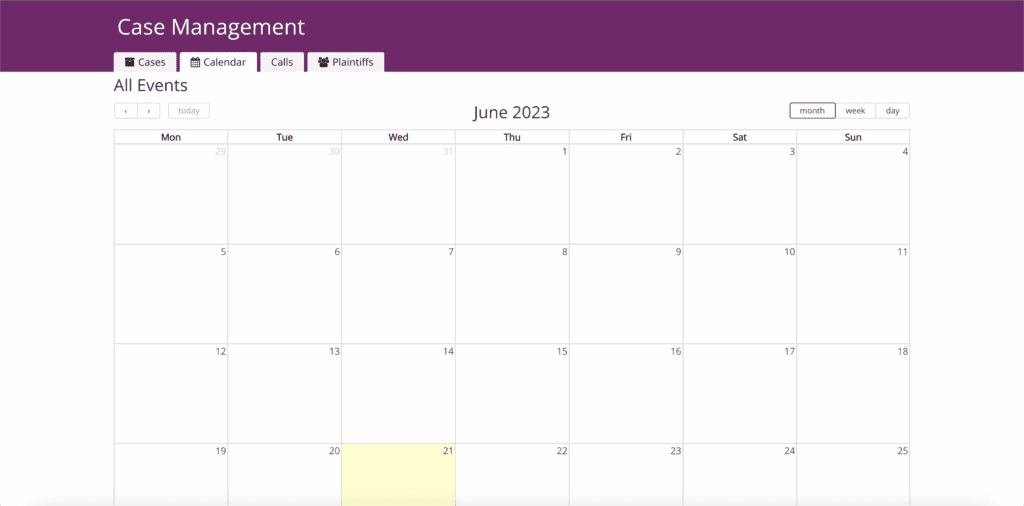
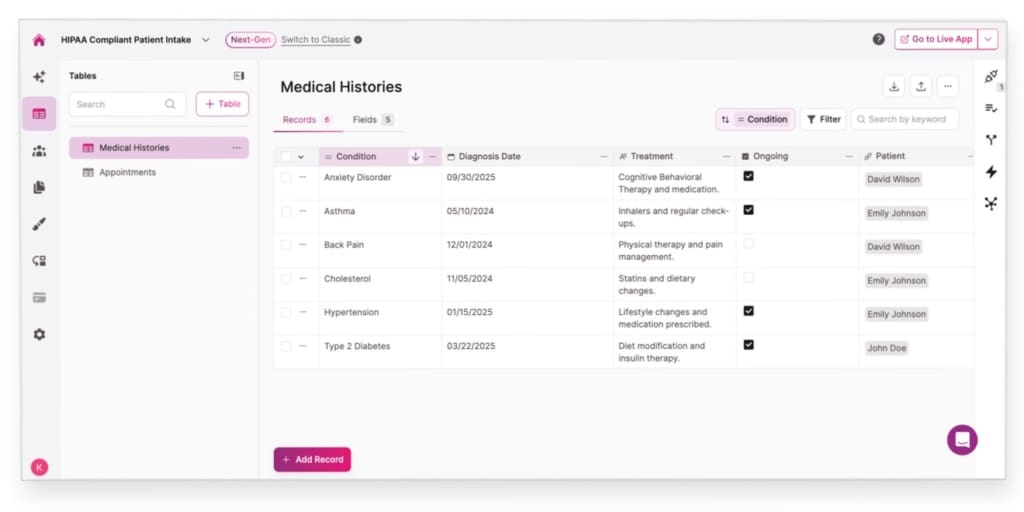
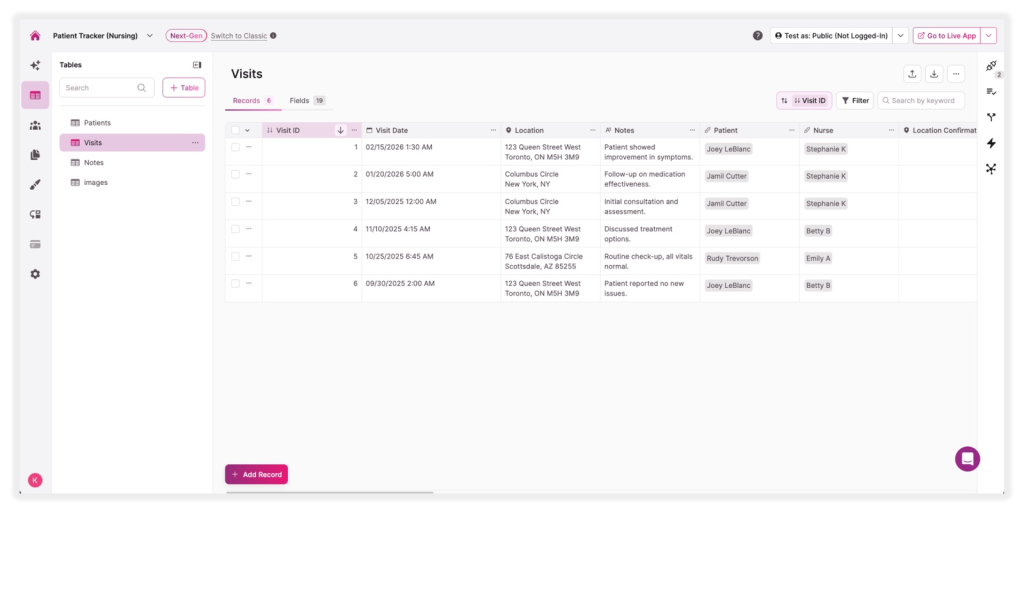
Teams use Knack Health to build patient portals, intake workflows, case management systems, scheduling tools, and internal operational applications.